Mazda Safety
How Mazda Safety Features Help in Orange County Traffic
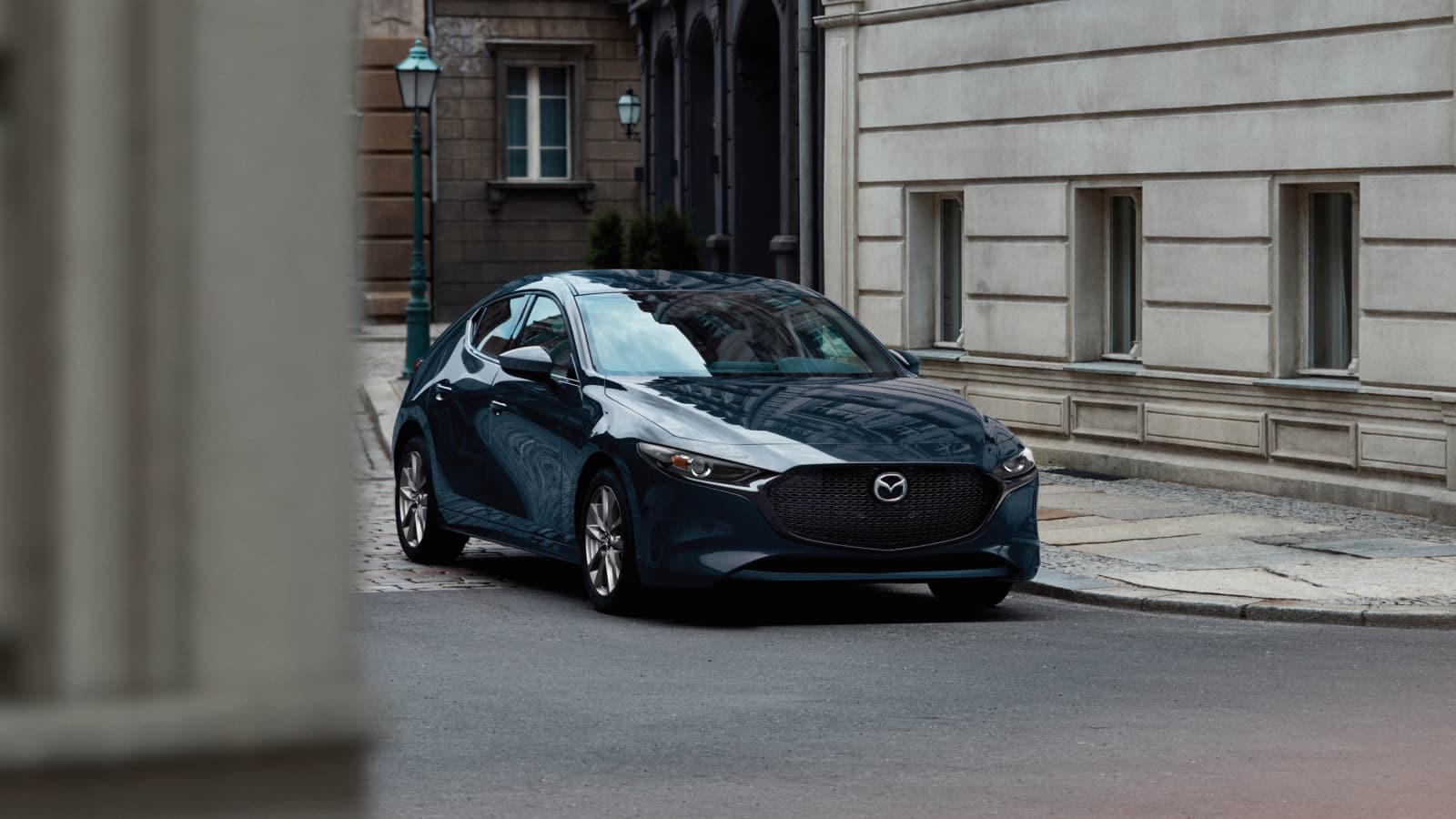
Orange County driving can shift from steady freeway travel to a line of brake lights in moments. Between merging traffic, crowded turn lanes, and busy shopping-center entrances, drivers have plenty to watch. Patterson Autos helps Mazda shoppers in Tustin understand how driver-assistance technology fits these everyday situations. Whether you commute locally or head toward Huntington Beach, the right features can provide useful warnings and assistance while keeping you responsible for the drive.
Key Takeaways
- Mazda Radar Cruise Control with Stop & Go can assist with following-distance control and stopping behind detected traffic under appropriate conditions.
- Blind Spot Monitoring supports lane-change awareness, but drivers must still check mirrors and surrounding traffic.
- Smart Brake Support and available intersection-related features can help address certain detected collision risks.
- Traffic Sign Recognition can display recognized signs, providing another reference as road conditions change.
- Equipment varies by model, trim, and model year, so comparing individual vehicles matters.
How can Mazda safety features assist in Orange County traffic?
Mazda safety features work best as an additional layer of information and assistance, not a replacement for your judgment. Many belong to Mazda’s i-ACTIVSENSE collection of safety and driver-support technologies, which uses cameras and sensors to help identify certain hazards.
Different systems serve different purposes. Some warn about a vehicle approaching from behind. Others help manage following distance or apply braking when a potential collision is detected. Knowing those differences makes the technology easier to use appropriately.
When we discuss Mazda safety technology for everyday driving, we focus on what each feature does, when it operates, and where its limitations matter. A Mazda CX-5 shopper navigating Tustin traffic may prioritize following-distance assistance, while another driver may want a closer look at lane-change warnings. Neither priority eliminates the need to watch the road.
Which Mazda safety features can help in stop-and-go traffic?
Mazda Radar Cruise Control with Stop & Go can adjust vehicle speed to help maintain a selected following distance behind a detected vehicle. Under its operating conditions, it can also bring the vehicle to a stop when that traffic stops.
For a shopper considering a properly equipped Mazda CX-50, that functionality is worth discussing in the context of changing freeway speeds. It differs from conventional cruise control, which primarily maintains a set speed rather than responding to a vehicle ahead.
Resuming after a complete stop can require driver input, depending on the system and circumstances. Always follow the instructions for the specific vehicle rather than assuming it will restart automatically.
Available Traffic Jam Assist or Cruising & Traffic Support can add steering assistance under specified conditions. These are not hands-free or self-driving systems. For stop-and-go traffic safety, use assistance only where the owner’s manual permits, remain engaged, and be ready to brake or steer. Do not assume a freeway-oriented feature is appropriate for crowded surface streets or every traffic jam.
How do driver-assistance features support drivers during lane changes?
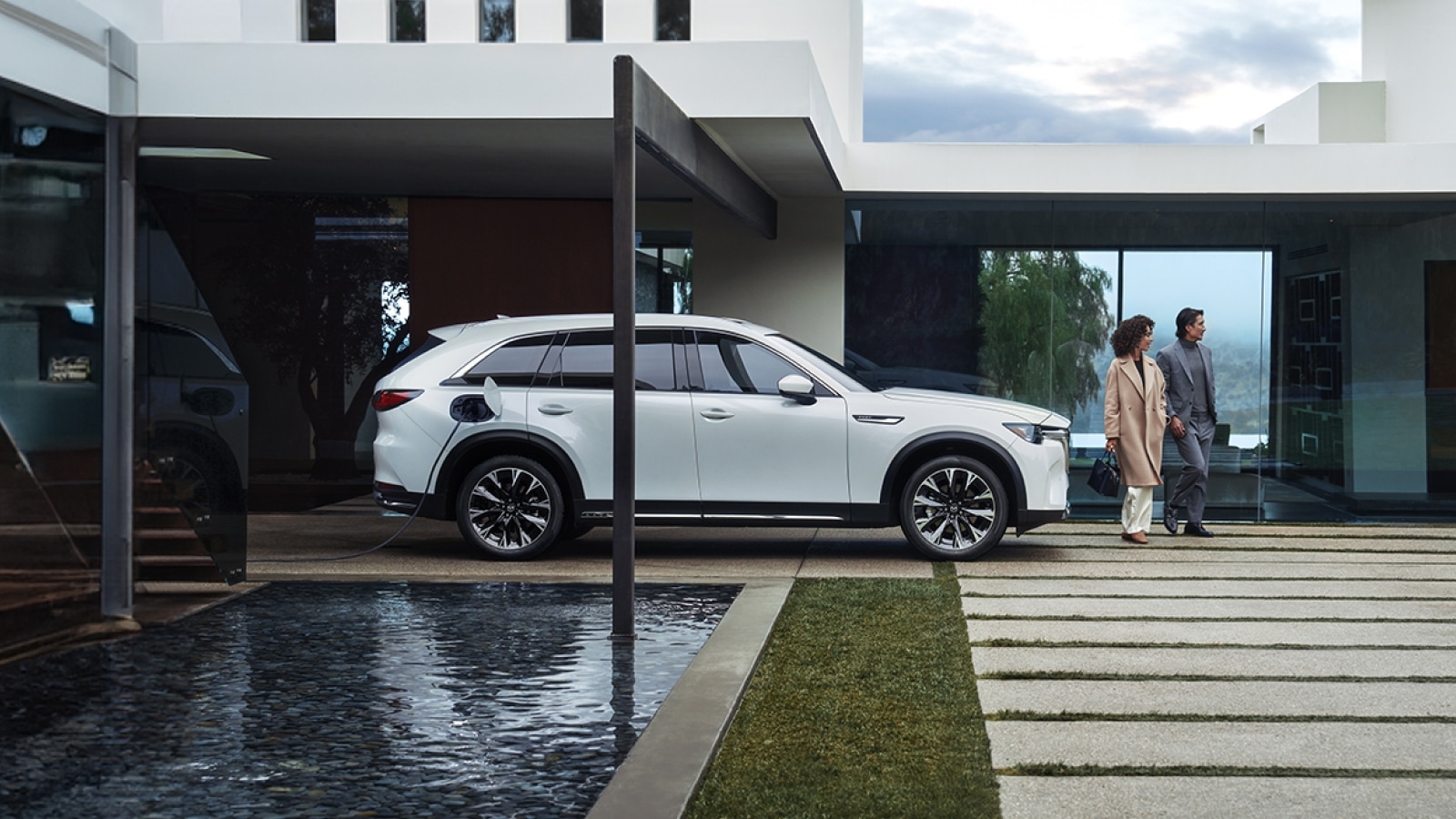
Lane changes can become complicated when traffic in one lane moves faster than traffic in another. Blind Spot Monitoring helps by detecting certain vehicles in adjacent lanes, including vehicles approaching from behind, and displaying a warning in the corresponding side mirror. Signaling toward a detected vehicle can trigger an additional warning.
The Mazda3 and Mazda CX-30 offer a useful starting point for comparing this technology in vehicles suited to everyday commuting. During a demonstration, pay attention to the warning-light location and how the alerts communicate a potential conflict.
Lane-change assistance does not mean the vehicle chooses a safe opening or completes the maneuver for you. Check mirrors, visually check the surrounding area, signal, and move only when there is sufficient space.
Some Mazda CX-90 configurations also offer Blind Spot Assist, which can provide momentary steering assistance under certain conditions. That is distinct from the warning function of Blind Spot Monitoring.
If you are comparing Mazda cars for sale in Tustin, browse our current selection at Patterson Autos and ask us to explain the driver-assistance equipment on the vehicles you are considering.
What safety technology can assist at busy intersections?
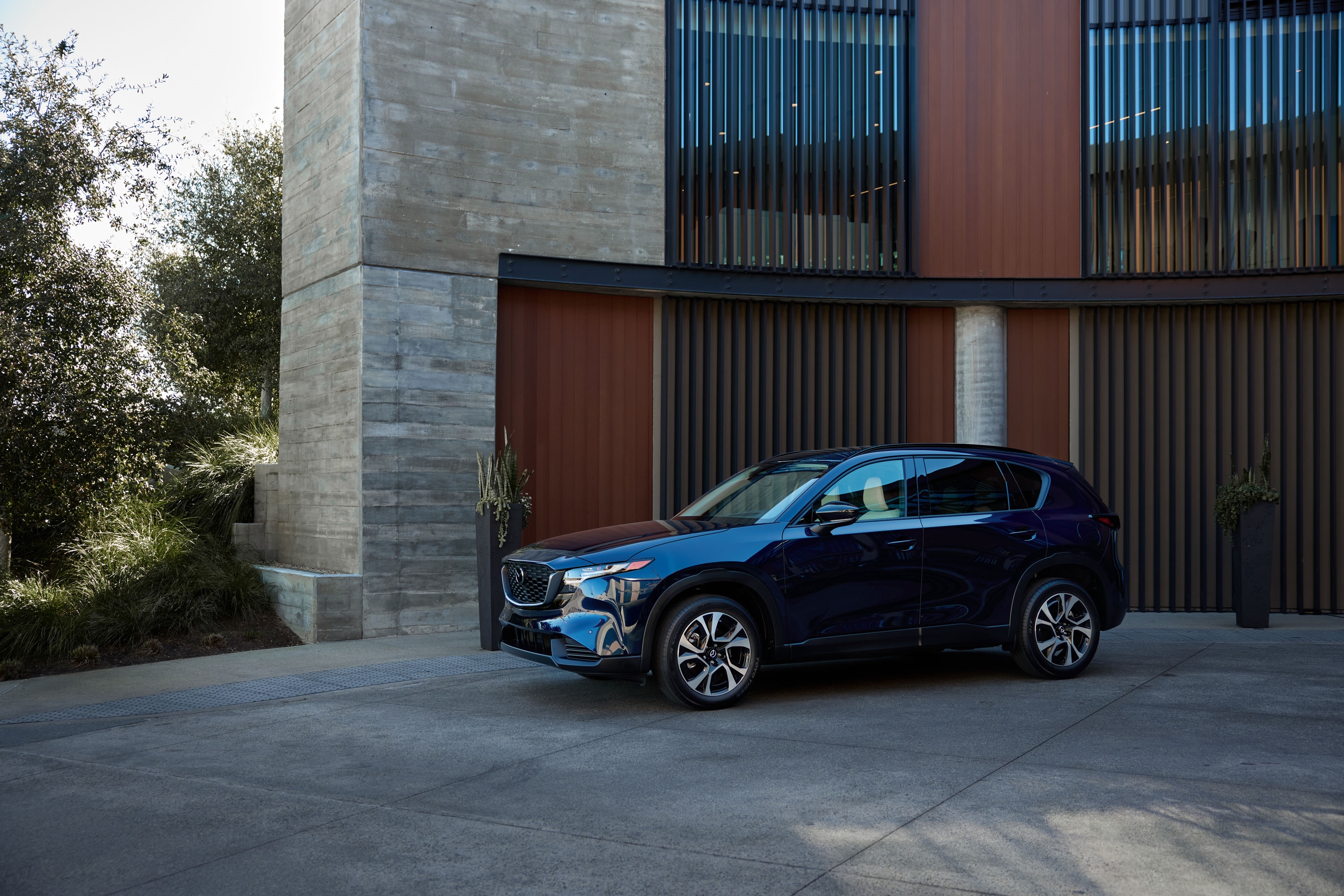
Busy intersection driving involves several potential conflicts at once: a vehicle ahead braking, approaching traffic, and people crossing your intended path. Smart Brake Support can warn about certain detected collision risks and may apply the brakes to help avoid a collision or reduce its severity.
On appropriately equipped Mazda CX-70 models, additional Smart Brake Support functions address specific intersection situations. Depending on configuration, these can include Front Crossing, Turn-Across Traffic, and intersection accident avoidance assistance.
The distinction matters. A forward-braking feature is not automatically equipped to respond to traffic crossing from the side. Likewise, a warning system and an automatic-braking function do not provide identical assistance.
These technologies operate within defined speed ranges and detection conditions. They cannot guarantee that every vehicle, pedestrian, or cyclist will be detected. When turning through a busy Tustin intersection, continue checking the crosswalk and approaching lanes yourself. Assistance should support that process, never determine whether you have the right of way.
How does Traffic Sign Recognition help on Orange County roads?
Moving between a freeway exit, a commercial corridor, and a neighborhood street can mean changing speed limits. Mazda Traffic Sign Recognition in Orange County traffic can provide a helpful additional reference by displaying recognized signs in the vehicle’s supported display.
Depending on the system, sign information comes from the forward camera, navigation data, or both. Certain configurations can also provide visual or audible speed-limit warnings.
For drivers comparing an appropriately equipped Mazda CX-30, this is a feature to check at the trim level rather than assume it is included. Display location and navigation requirements can differ between vehicles.
Always read the actual roadside signs. Obstructed signs, glare, weather, or outdated map information can affect what appears on the display. Traffic Sign Recognition does not interpret every temporary instruction, and it should not be treated as permission to ignore posted signs or changing conditions.
How should drivers use Mazda safety features in heavy traffic?
Start by learning the equipment in your particular vehicle. Mazda driver-assistance features vary by model year, trim, and package, even when two vehicles share a model name.
We recommend focusing on a few practical questions before your first commute:
- Which warnings are enabled, and what do their lights or sounds mean?
- When does each assistance feature operate, and when should it not be used?
- What driver input is needed after the vehicle stops?
- Which conditions can interfere with camera or sensor detection?
Lane Departure Warning and Lane-keep Assist also deserve attention. Where equipped, they can warn about unintended lane departure or provide steering assistance, but unclear markings and construction zones can affect operation. They are not substitutes for choosing and maintaining your lane.
Browse the current Mazda selection through Patterson Autos, then schedule a test drive at Tustin Mazda, 28 Auto Center Drive in Tustin, or Huntington Beach Mazda on Beach Boulevard. We can help you compare available vehicles, review their safety equipment, and understand how their features support your everyday Orange County drive.
Explore Mazda Vehicles With Patterson Autos
Compare available vehicles and connect with our team to learn more.