Plug-in Hybrids: FAQs and Essential Information You Need to Know
As the automotive industry shifts towards greener and more sustainable alternatives, plug-in hybrids have emerged as a popular choice among environmentally-conscious drivers. These vehicles combine the best of both worlds, offering the benefits of an electric car with the reliability of a traditional gas engine. If you're considering a plug-in hybrid or just want to learn more, this FAQ-style blog from Patterson Autos will answer some common questions, including how plug-in hybrids work, their efficiency, charging, and more.
What is a Plug-in Hybrid Electric Vehicle (PHEV)?
A plug-in hybrid electric vehicle (PHEV) is a type of hybrid car that uses both an internal combustion engine (ICE) and an electric motor. Unlike traditional hybrid vehicles, PHEVs can be plugged into charging stations or standard outlets to charge their batteries. This allows the vehicle to drive on electric power for a certain distance before the gasoline engine kicks in.
How Do Plug-in Hybrids Work?
Plug-in hybrids work using a combination of an internal combustion engine and an electric motor. The electric motor draws power from a battery, which can be charged by plugging the car into a charging station or standard outlet. Once the electric range is depleted, the vehicle switches to the gasoline engine. Some models offer the option to drive in hybrid mode, using both the electric motor and the gas engine for optimal performance.
Do Plug-in Hybrids Charge While Driving?
A common question for those new to PHEVs is whether they charge while driving. The answer is: generally, no, plug-in hybrids do not charge while driving in the same way a traditional hybrid does. While some hybrids utilize regenerative braking to charge the battery, plug-in hybrids rely on external charging sources for battery recharging. However, the gasoline engine in most PHEVs can assist in keeping the battery's charge level steady, but it doesn't actively recharge the battery as you drive.
What Are the Benefits of Plug-in Hybrid Electric Vehicles (PHEVs)?
The benefits of PHEVs are numerous, making them an attractive option for many drivers:
- Reduced Emissions: PHEVs emit less CO2 compared to traditional gasoline-powered vehicles, contributing to a cleaner environment.
- Improved Fuel Economy: PHEVs offer greater fuel efficiency since they can be driven on electric power for short trips, which reduces fuel consumption.
- Increased Driving Range: PHEVs have both a gasoline engine and an electric motor, allowing for a greater range than standard electric vehicles (EVs).
- Cost Savings: The ability to use electricity for short trips means drivers can save on fuel costs. Additionally, there may be incentives available for purchasing a PHEV.
How Efficient Are Plug-in Hybrids?
One of the biggest benefits of PHEVs is their efficiency. Since they can run on electricity for shorter distances and use gas for longer trips, they strike a balance between electric vehicle efficiency and the convenience of a gas-powered car. The fuel efficiency of PHEVs can vary depending on the make and model, but they generally offer excellent gas mileage when operating in hybrid mode. Additionally, since many PHEVs can be plugged in, they allow drivers to reduce fuel consumption when using electric-only mode for short commutes.
What Is the Driving Range of a Plug-in Hybrid?
The range of a plug-in hybrid vehicle depends on several factors, including the size of the battery, driving habits, and terrain. On average, most plug-in hybrids offer an electric-only range of about 20 to 50 miles, with the gasoline engine kicking in after that. This range is more than sufficient for daily commutes and short trips. Once the electric range is used up, the gasoline engine takes over, offering a total combined range of 300 miles or more, depending on the model.
What Kind of Charging Stations Do Plug-in Hybrids Use?
Plug-in hybrid vehicles can be charged using a standard 120-volt outlet or a 240-volt Level 2 charging station. While a 120-volt outlet is the most common and convenient option, it can take longer to fully charge the battery. A Level 2 charging station, on the other hand, provides faster charging times and is ideal for home installations or public charging stations.
If you're concerned about finding charging stations while on the go, many cities and highways now have widespread charging infrastructure. Popular locations for charging stations include shopping centers, parking garages, and along major highways, making it easy to keep your PHEV charged while out and about.
What Is Plug-in Hybrid Tech?
Plug-in hybrid technology refers to the combination of traditional internal combustion engine technology with electric vehicle powertrains. The key to PHEVs is their ability to be plugged into an electrical outlet for charging, which distinguishes them from standard hybrid vehicles that rely solely on regenerative braking and the engine for charging. Plug-in hybrid tech allows drivers to benefit from both electric driving with zero emissions and the convenience of a gas engine for long trips.
How Is the Performance of Plug-in Hybrids?
The performance of plug-in hybrids can vary, but most modern PHEVs offer impressive power and acceleration. The electric motor in a plug-in hybrid provides smooth and instant torque, resulting in quiet and efficient driving, especially at low speeds or in city traffic. Additionally, the presence of the gasoline engine ensures that drivers have enough power for highway driving or when electric range is depleted. Many PHEVs are also equipped with advanced drive modes, allowing drivers to select between electric-only, hybrid, or gasoline modes based on driving conditions.
Are There Any Drawbacks to Plug-in Hybrids?
While plug-in hybrids offer a range of benefits, they aren't without their drawbacks. The most notable drawback is the higher upfront cost compared to conventional vehicles. Additionally, while PHEVs offer the flexibility of both electric and gasoline driving, their electric-only range may not be sufficient for all drivers, especially those who frequently drive long distances. Another consideration is the time it takes to charge the battery, which can be a challenge for those without access to a Level 2 charging station.
However, for drivers who want the benefits of both electric and gasoline driving, plug-in hybrids are an excellent choice.
Final Thoughts
Plug-in hybrids represent a compelling option for those looking to reduce their carbon footprint while maintaining the performance and convenience of a gasoline-powered vehicle. Whether you're considering a PHEV for the environmental benefits, efficiency, or performance, these vehicles offer an attractive solution to modern driving challenges. At Patterson Autos, we are proud to offer a range of plug-in hybrid options, helping our customers enjoy the best of both worlds.
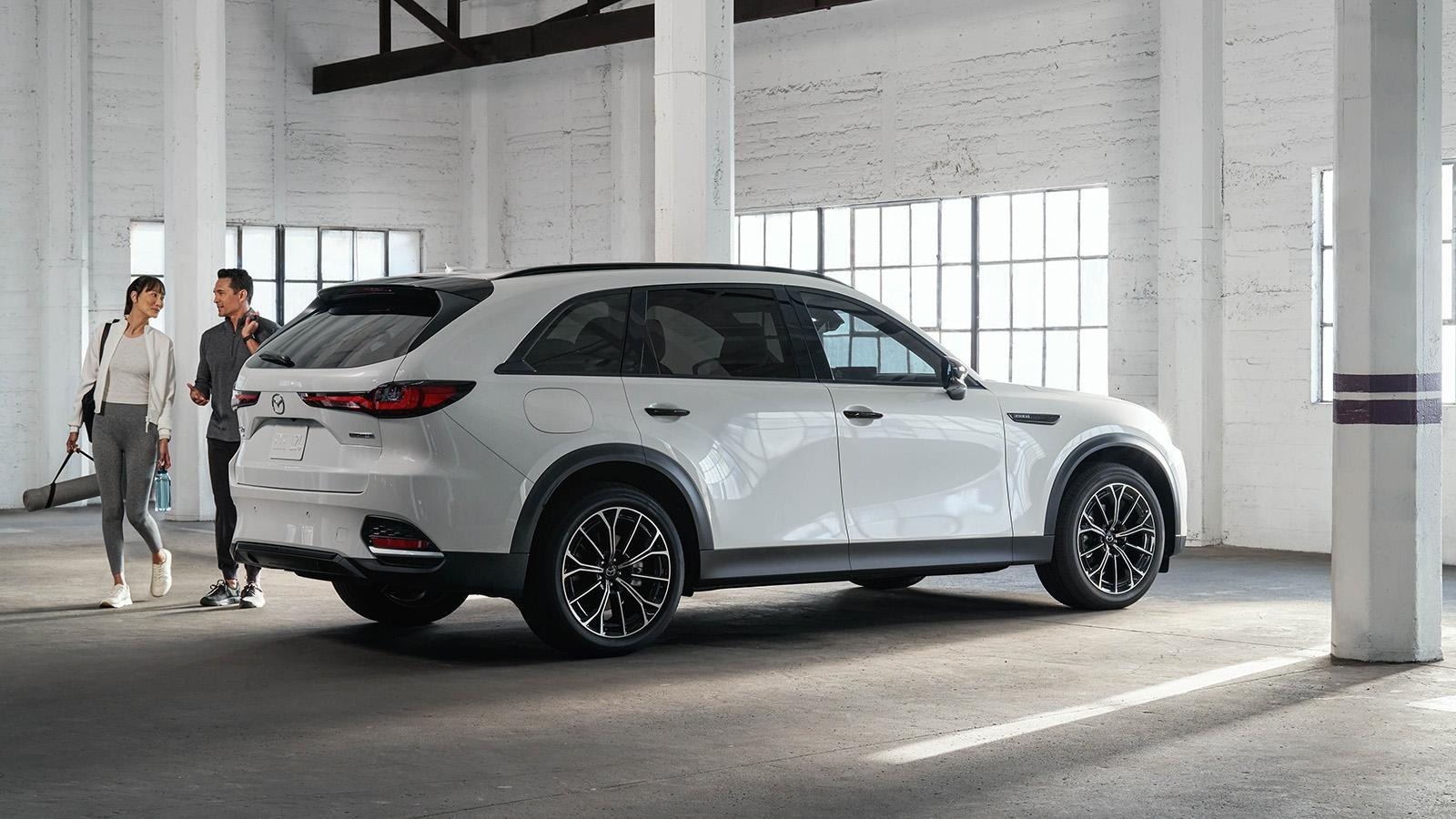
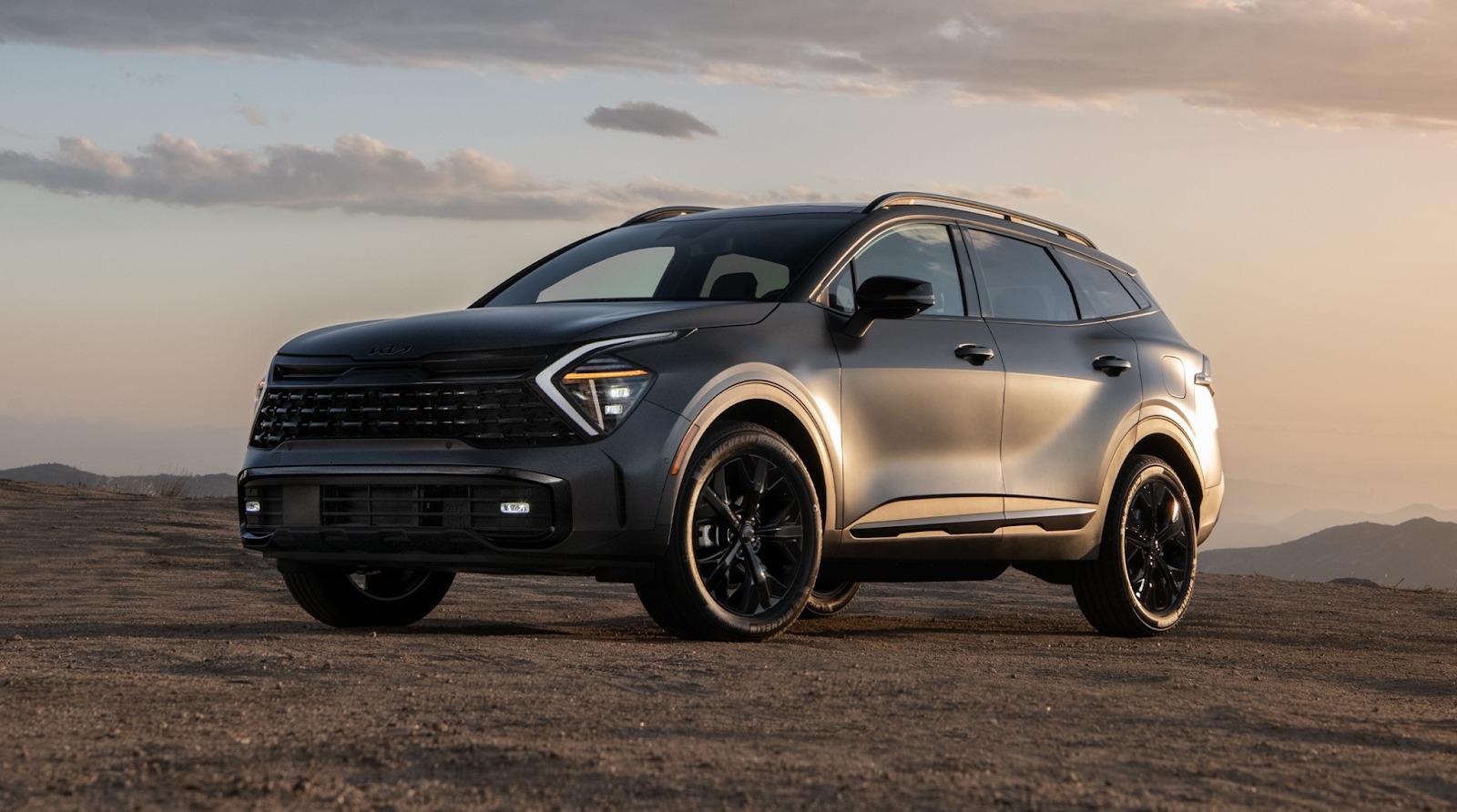
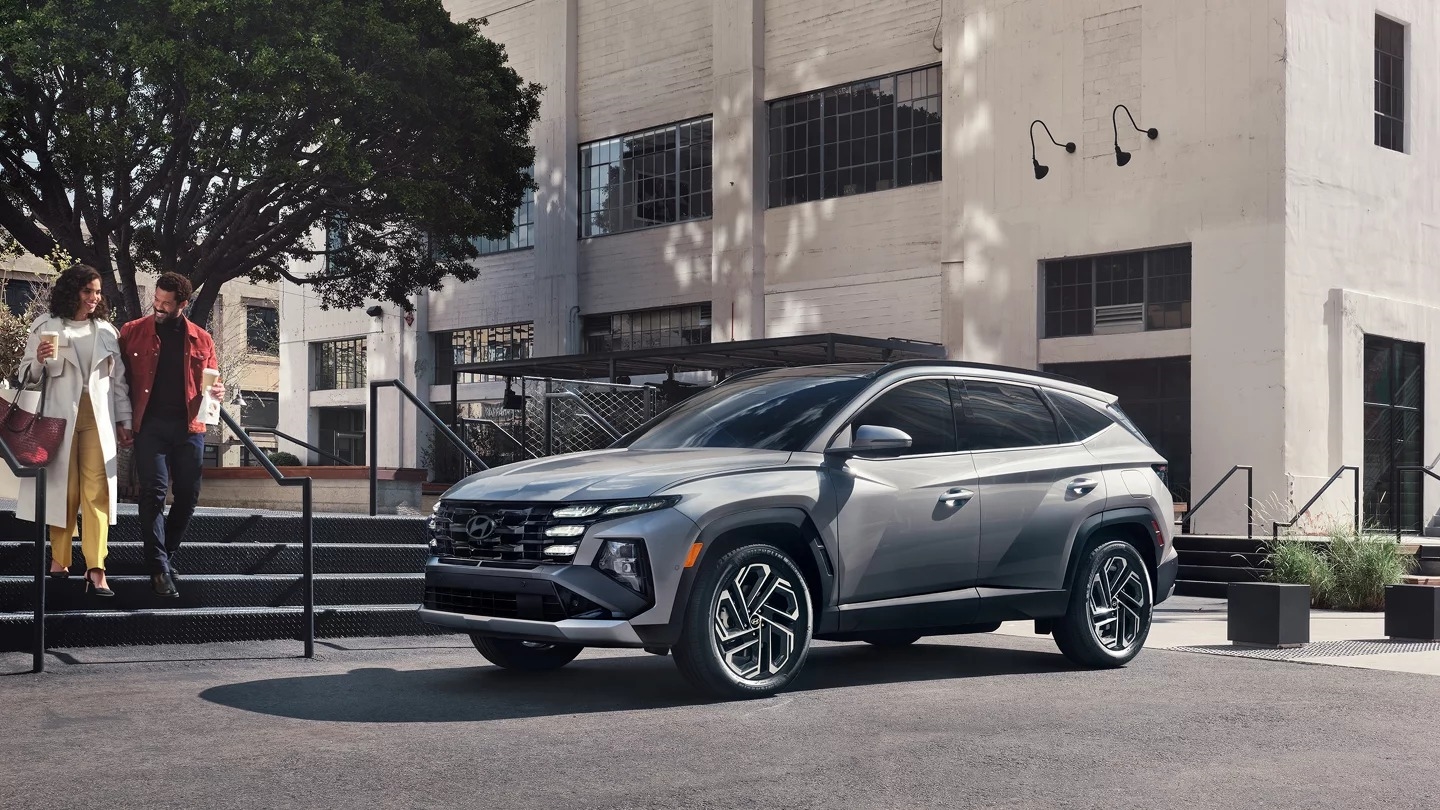
If you're looking to experience the benefits of a plug-in hybrid firsthand,Patterson Autos offers a variety of options across our four dealerships, including the Mazda CX-70 PHEV, Hyundai Tucson PHEV, and Kia Sportage Hybrid. Whether you're interested in the performance and luxury of the Mazda CX-70, the versatility of the Hyundai Tucson, or the fuel efficiency of the Kia Sportage, our dealerships have a plug-in hybrid model that fits your needs. Visit our dealerships to find the perfect PHEV for you and enjoy a seamless transition to more sustainable driving.
Huntington Beach Mazda
Mission Viejo Kia
Tustin Hyundai
Tustin Mazda
*Penned by AI, polished by humans